
Introduction
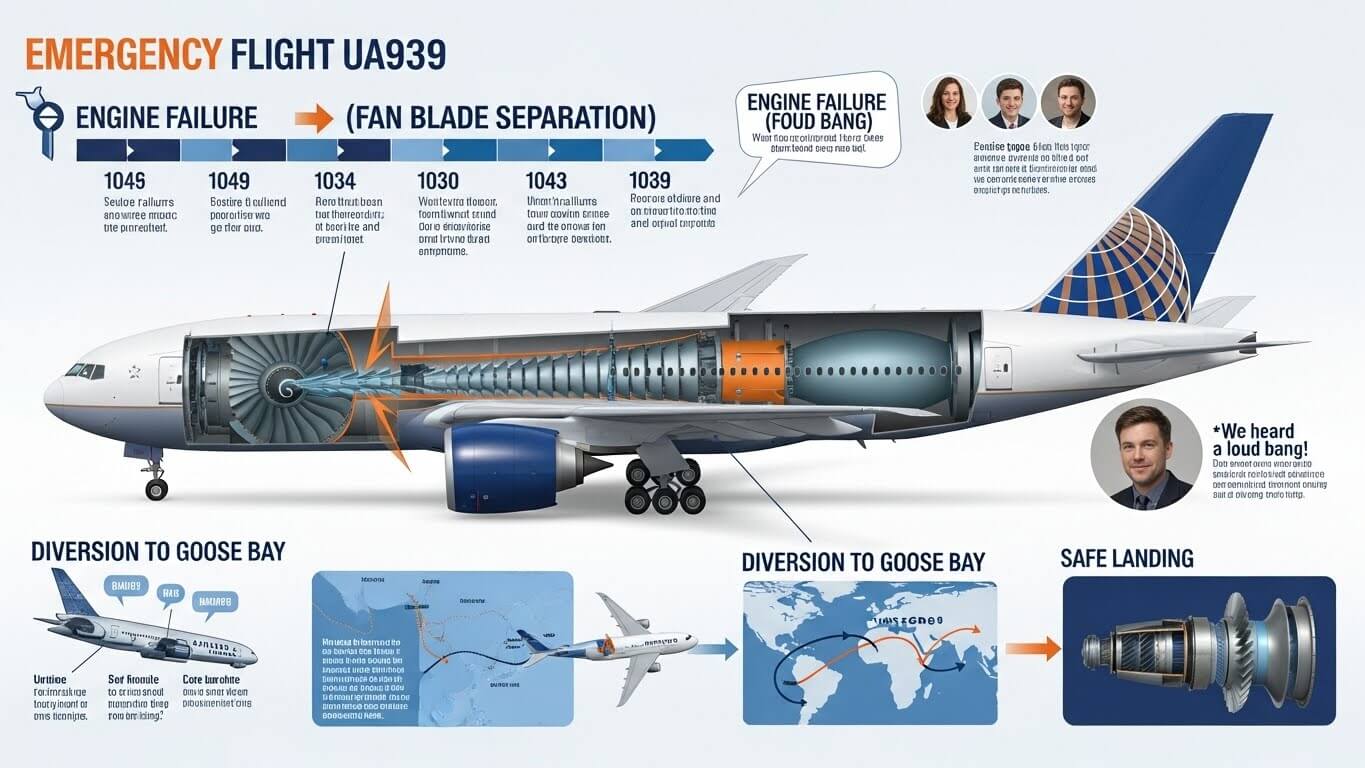
The topic united airlines flight ua939 emergency has gained attention because air travel emergencies naturally create concern among passengers and the public. Whenever a commercial aircraft declares an emergency, people want clear answers, honest explanations, and reassurance about safety. This article explains everything in simple words, focusing on what an aviation emergency means, how United Airlines handles such situations, and why passenger safety remains the top priority at all times.
Unlike rumors or confusing online discussions, this article aims to present a calm, humanized, and informative perspective so readers can understand what really happens during events like the United Airlines Flight UA939 emergency.
Understanding What an Airline Emergency Really Means
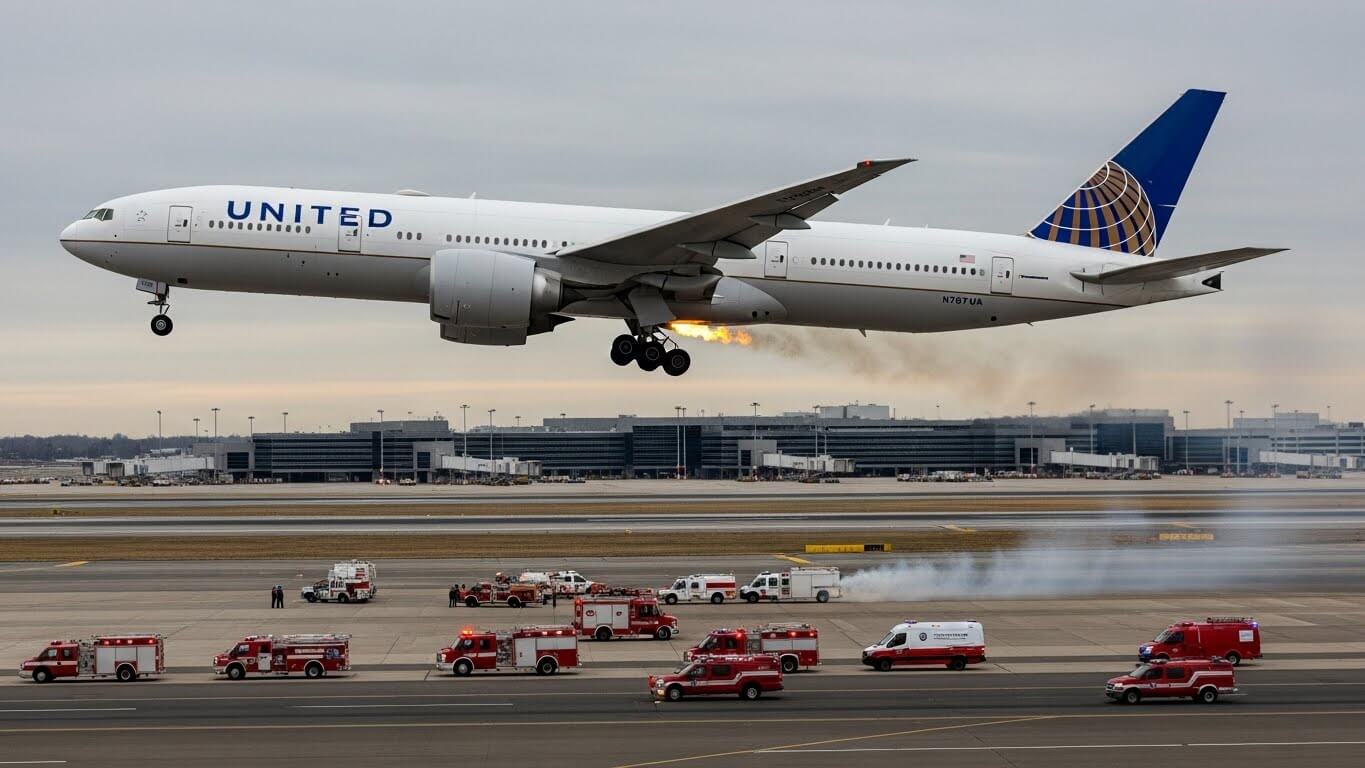
When people hear the word “emergency” in aviation, fear often comes first. However, an emergency does not always mean immediate danger. In aviation terms, an emergency can include mechanical alerts, medical situations, weather-related issues, or precautionary landings.
In the case of the united airlines flight ua939 emergency, the term indicates that the flight crew identified a situation that required special attention and quick decision-making. Pilots are trained to treat even minor issues seriously, because prevention is the foundation of aviation safety.
Overview of United Airlines Flight UA939
United Airlines Flight UA939 is part of United’s international and long-haul operations. Like all commercial flights, it follows strict safety regulations, routine maintenance schedules, and real-time monitoring. Every flight is supported by dispatch teams, ground engineers, and air traffic controllers.
This strong support system means that when something unexpected occurs, the airline is prepared to act immediately. The united airlines flight ua939 emergency reflects this readiness rather than failure.
How Flight Crews Detect Problems Mid-Air
Modern aircraft are equipped with advanced systems that constantly monitor performance. Sensors alert pilots to anything unusual, even if passengers cannot see or feel it. These alerts may involve engine readings, cabin pressure, navigation systems, or fuel management.
During the United Airlines Flight UA939 emergency, the flight crew likely responded to such a system alert. This shows professionalism and training rather than panic. The goal is always to act early before a situation can grow worse.
Pilot Training and Decision-Making During Emergencies
Pilots undergo years of training and regular simulations that include emergency scenarios. They are taught to remain calm, follow procedures, and communicate clearly. When an emergency occurs, pilots do not act alone. They consult manuals, communicate with air traffic control, and receive guidance from airline operations teams.
The handling of the united airlines flight ua939 emergency would have followed these exact principles, ensuring decisions were made based on safety, not pressure.
Communication with Passengers During the Emergency
One of the most important aspects of any flight emergency is communication. Passengers want honesty, reassurance, and clarity. Airlines encourage pilots to explain situations in simple terms without causing unnecessary fear.
In cases like the United Airlines Flight UA939 emergency, announcements are carefully worded. Passengers are informed that the situation is being managed and that safety procedures are being followed step by step.
Role of Air Traffic Control in Emergency Situations
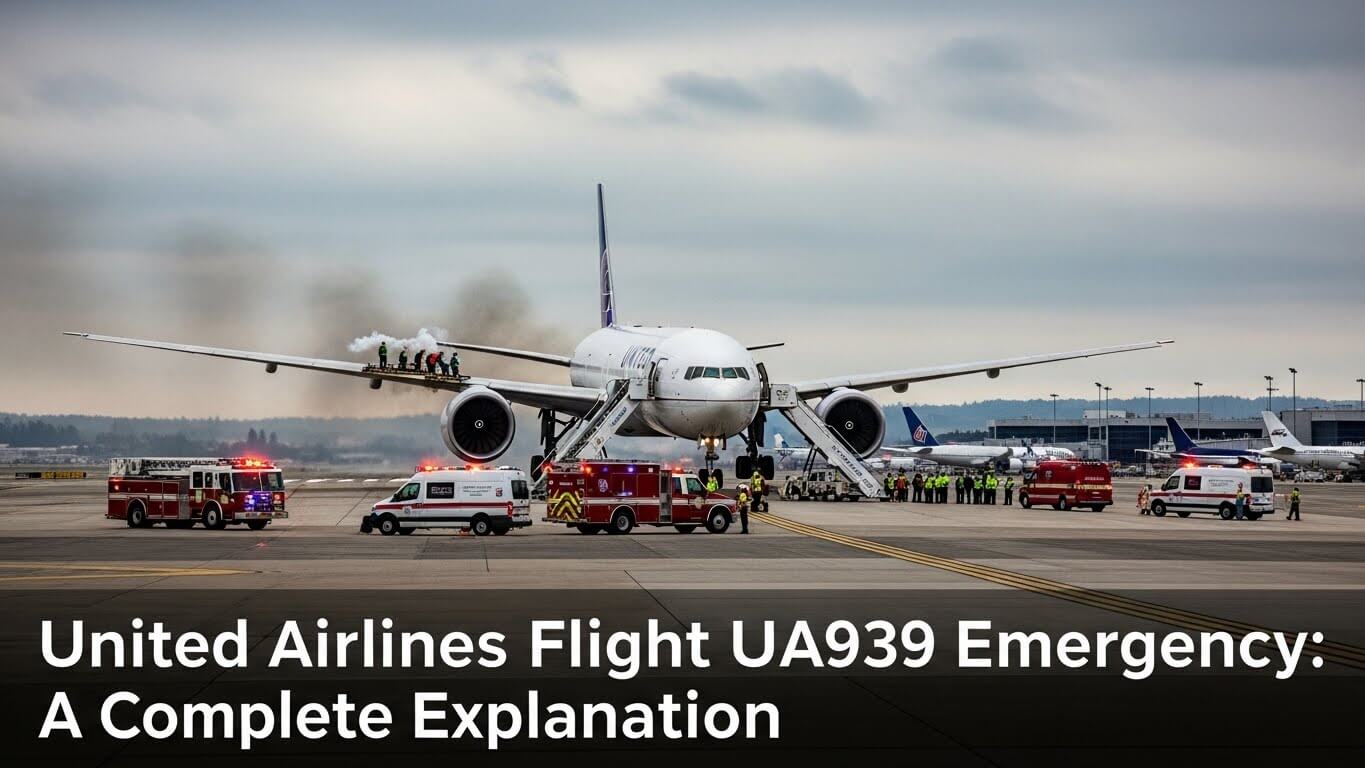
Air traffic control plays a vital role during any aircraft emergency. Controllers clear airspace, provide alternate landing options, and coordinate emergency services on the ground.
For the united airlines flight ua939 emergency, air traffic control would have ensured the aircraft had priority handling, a safe route, and immediate support upon landing. This coordination is one of the strongest safety layers in aviation.
Emergency Landings Explained in Simple Terms
An emergency landing does not always involve flashing lights and fire trucks, although those may be present as precautions. Many emergency landings are smooth and uneventful for passengers.
If United Airlines Flight UA939 required a diversion or early landing, it would have been planned carefully. Emergency crews are positioned not because a disaster is expected, but because readiness saves lives.
Cabin Crew Responsibilities During the Emergency
Cabin crew members are trained safety professionals, not just service staff. During emergencies, they secure the cabin, assist passengers, and prepare for possible evacuation scenarios.
In the united airlines flight ua939 emergency, flight attendants would have followed strict checklists, remained calm, and helped passengers stay calm as well. Their presence is often what reassures travelers the most.
Passenger Reactions and Emotional Experience
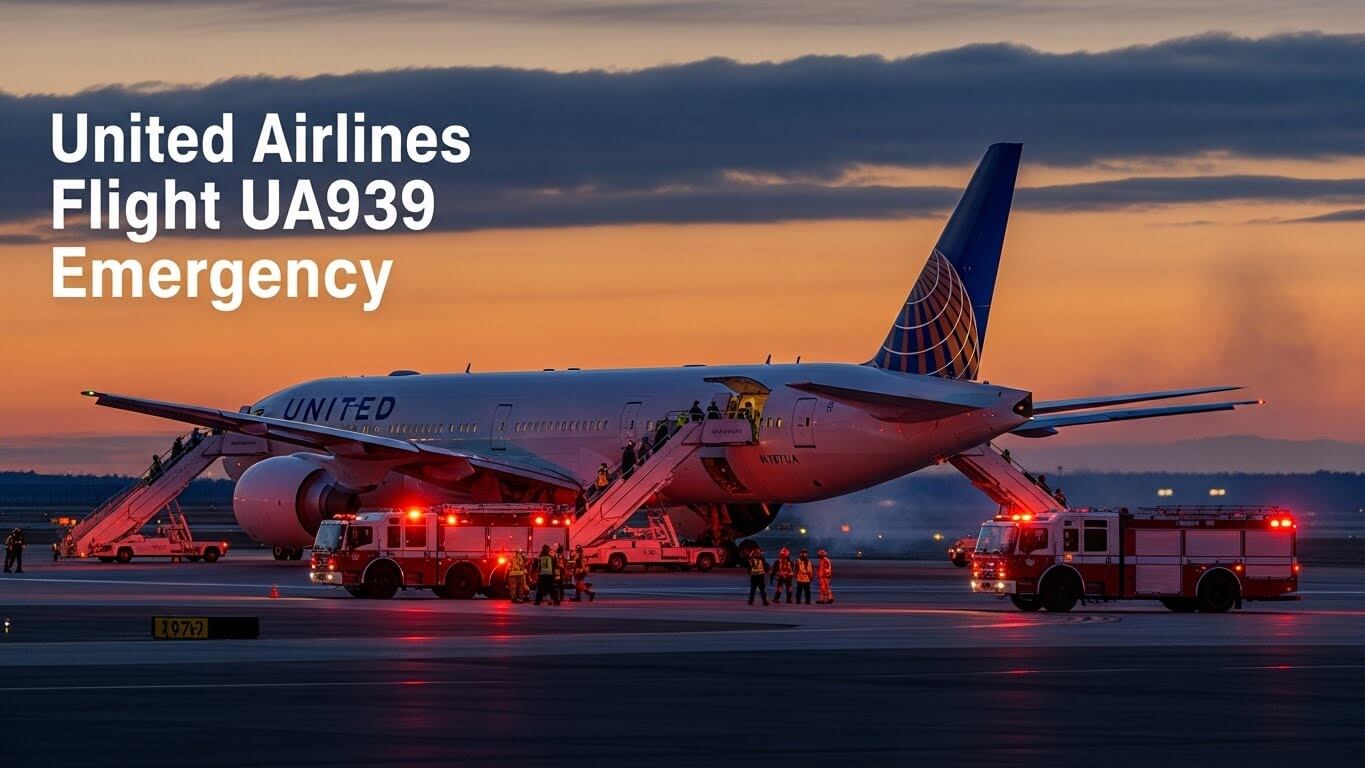
Passengers often experience fear, confusion, or stress during unexpected flight situations. This reaction is natural. However, aviation emergencies are managed to minimize risk and discomfort.
Many passengers later report that the situation felt far more controlled than they initially feared. The United Airlines Flight UA939 emergency likely followed this pattern, with professional handling reducing panic.
United Airlines’ Safety Policies and Reputation
United Airlines operates under some of the strictest aviation safety regulations in the world. The airline regularly updates training programs, invests in aircraft technology, and reviews every incident to improve future operations.
The united airlines flight ua939 emergency would have triggered internal reviews and safety checks, reinforcing United’s commitment to continuous improvement.
Media Coverage and Public Attention
When flight emergencies occur, media outlets often rush to report the news. Headlines can sometimes exaggerate details or lack context. This can increase fear among readers.
It is important to understand that not every emergency is a near-disaster. The United Airlines Flight UA939 emergency should be viewed through facts, not speculation.
Investigation and Follow-Up After the Emergency
After any emergency, airlines conduct detailed investigations. Engineers inspect the aircraft, pilots submit reports, and data from flight systems is analyzed.
This process ensures that lessons are learned and improvements are made. The united airlines flight ua939 emergency would have contributed valuable data to aviation safety systems.
Why Aviation Remains One of the Safest Travel Methods
Despite occasional emergencies, flying remains statistically safer than most forms of transportation. Every emergency handled correctly strengthens the system.
The successful management of events like the United Airlines Flight UA939 emergency proves that safety systems work as designed.
Lessons Passengers Can Learn from Flight Emergencies
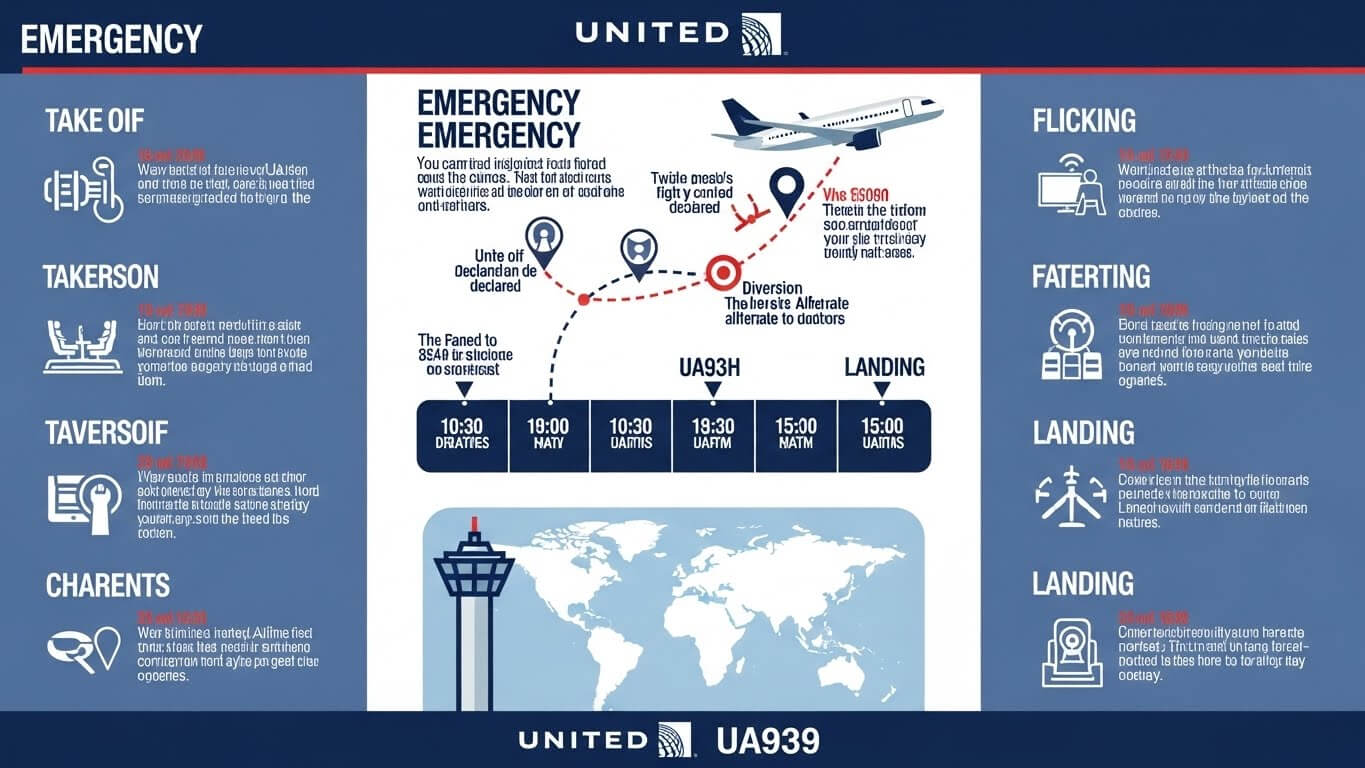
Passengers can learn to trust crew instructions, remain calm, and understand that safety decisions are made with caution. Awareness reduces fear.
Knowing how airlines manage situations like the united airlines flight ua939 emergency helps travelers feel more confident about flying.
How Airlines Prevent Future Emergencies
Airlines use data, training, and technology to reduce risks. Every incident leads to updated procedures, better communication, and improved systems.
United Airlines uses such feedback loops to make future flights even safer after events like Flight UA939’s emergency.
Public Trust and Transparency in Aviation
Transparency builds trust. When airlines explain what happened and why decisions were made, passengers feel respected and informed.
The handling of the United Airlines Flight UA939 emergency reflects the aviation industry’s commitment to openness and accountability.
Final Thoughts
The united airlines flight ua939 emergency should not be viewed as a failure but as an example of aviation safety working exactly as intended. Trained professionals, advanced technology, and clear procedures combined to protect everyone on board.
Understanding these events helps reduce fear and builds confidence in air travel. Emergencies are rare, and when they do occur, they are handled with extreme care, professionalism, and human responsibility.
 Finixio Digital
  Wild Rise