

What is a Highball? — Simple Definition
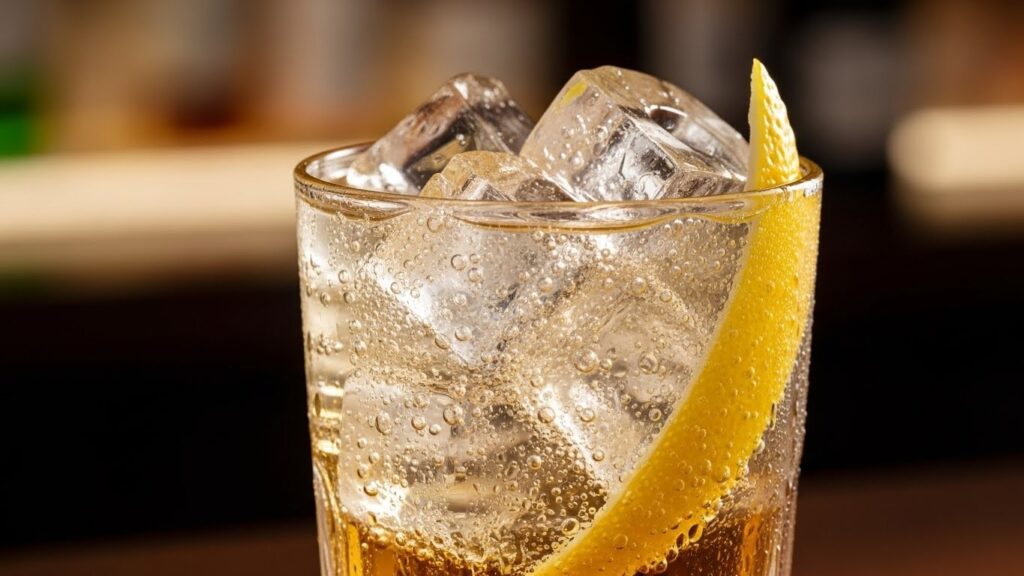
A highball is a type of mixed drink — usually a base spirit plus a larger amount of non-alcoholic mixer — served over ice in a tall glass. In other words: select your favorite alcohol (like whisky, gin, rum or vodka), add a fizzy beverage (such as soda water, ginger ale or tonic), pour everything into a tall “highball glass” with ice, and you’ve got a highball.
The appeal lies in its simplicity — you get a refreshing, easy-drinking cocktail without the fuss of complicated mixing or complicated ingredients.
Origins of the Highball — History in Brief

The highball can trace its roots back to European drinks like wine or brandy mixed with soda water (similar to a “spritzer”) in the 1800s. Later, brandy-and-soda became popular among gentlemen in clubs and social gatherings.
As cocktails evolved, the highball transformed: whiskey-and-soda (or other spirits with carbonated mixers) became a staple. By the early 20th century, the “tall glass + spirit + mixer + ice” format had cemented itself as a new standard in casual drinking. So while no single moment pins the exact “birth” of the highball, it emerged gradually — from simple sodas to the classic mixed-drink style we know today.
Why the Name “Highball”? — Theories & Meaning
There are a couple of theories about where the word “highball” comes from. One popular idea ties it to old railroad jargon: a raised “ball” signal meant “all clear” or “go ahead.” Applied to drinks, “high ball” might have come to mean a tall drink ready to go.
Another simpler theory: “high” refers to the tall glass, and “ball” (old slang) refers to a single drink of liquor. So a “high ball” was a strong drink served tall.
Perhaps both stories contributed — but the result is the same: a name that evokes height, ease, and a certain old-school charm.
Anatomy of a Highball — What Goes In It
At its core, a highball needs two basic parts:
- A base spirit — whiskey (or whisky), gin, vodka, rum, sometimes even brandy.
- A mixer — typically a carbonated beverage: soda water, club soda, ginger ale, tonic water, or soda.
Then there is ice, which helps chill the drink without diluting it too quickly — especially if you use large, clear ice cubes. Many highballs are garnished with a twist of citrus (lemon or lime) to add a light aroma and freshness.
Because the mixer out-volumes the spirit, highballs tend to be lighter, more refreshing, and easier to sip than heavier cocktails or straight spirits.
Classic Highball Recipes — Easy to Try

Here are a few classic highball recipes that represent the variety and simplicity of this drink style:
- Whiskey (or Scotch) + Soda Water — often called a “Scotch and soda.” Just pour whiskey over ice, top with soda water, stir gently, optionally add a lemon twist.
- Whiskey + Ginger Ale — a sweeter, more aromatic take. Many people enjoy the mellowed taste that ginger ale brings.
- Gin + Tonic Water — one of the world’s most famous highballs, especially popular in warm climates or as a refreshing evening drink.
- Rum + Cola (or Soda) — for a sweeter, tropical-style highball, popular in many countries.
These recipes show how you can pick a base spirit you enjoy, add a bubbly mixer, and get a highball in seconds — no shaker, no fuss, just ice, top-up, stir, sip.
Culture and Spread — Where Highballs Became Popular
After origin in Europe and early America, highballs spread widely across the world. They fit well in many cultures because they are simple, quick, and easy to customize. Over time, highballs became especially popular in countries where people enjoy lighter drinks or want a casual drink that doesn’t hit hard.
In modern times, highballs enjoy a “renaissance.” Bars and restaurants often feature them as minimalist, elegant options — perfect as a lighter alternative to heavy cocktails, or as a first drink before dinner.
Highball vs. Other Cocktail Types — What Makes It Unique
You might wonder: how is a highball different from other cocktails like a “long drink,” “collins,” or a “mixed cocktail”?
- A mixed cocktail may involve syrups, juices, bitters, multiple layers — highballs stay simple: spirit + mixer.
- A long drink is a broader category that overlaps with highball; some define long drinks as any drink served in a tall glass, but highball traditionally implies a carbonated mixer and a relatively low concentration of alcohol.
- Compared to richer, stirred or shaken cocktails, highballs are lighter, more refreshing, and slower to intoxicate — good for conversation, meals, or social settings.
The simplicity of the highball also means it’s forgiving: you don’t need advanced mixology skills or many ingredients, just good spirits, mixer, ice, and a tall glass.
Why Highballs Work — Taste, Ease, and Versatility
There are several reasons why highballs remain beloved by drinkers and bartenders alike:
- Refreshing and Light: The large volume of mixer and ice makes the drink refreshing and not overpowering. Good for warm weather or long evenings.
- Customizable: You can use many kinds of spirits (whisky, gin, rum, vodka) and many mixers (soda, ginger ale, tonic, cola). You can adjust the strength to your preference.
- Easy to Make: No shaker, no fancy tools — just pour, top, stir. Even at home, you can mix a highball in minutes.
- Balanced Flavor: The mixer softens strong alcohol, while ice and bubbles make the drink smooth and effervescent.
Because of this, highballs serve both as casual everyday drinks and as elegant, low-key cocktails — bridging a gap between simple and refined.
Highball Variations Around the World
Over time, the highball concept has been adapted globally. Different regions and cultures have their own takes:
- In the UK and US, Scotch (or whiskey) + soda water or ginger ale remains classic.
- Gin and tonic has become perhaps one of the most globally recognized drinks — arguably a highball in spirit and form.
- In tropical and Caribbean-influenced areas, rum + cola (or soda) highballs are common — easy, sweet, and relaxing.
- Contemporary bartenders also experiment: adding fruit twists, herb infusions, or alternative mixers (like flavored soda, club soda, ginger beer) to give classic highballs a modern twist.
Thus, highball remains less a single drink — more a flexible format.
How to Make a Perfect Highball — Step-by-Step
Making a highball is easy, but a few details make the difference between “okay” and “great.” Here’s how to make a well-balanced highball:
- Chill the glass: If possible, put your highball glass in the fridge or freezer a few minutes before use — this keeps the drink cold longer.
- Add ice: Fill the glass with good quality ice — larger cubes melt slower and keep dilution minimal.
- Pour the spirit: Measure your spirit (e.g. 45–60 ml whiskey, gin, or rum) and pour over the ice.
- Add the mixer slowly: Top with chilled soda, soda water, ginger ale, or tonic. The ratio is often roughly 1 part spirit to 3 (or more) parts mixer.
- Stir gently: A light stir blends spirit and mixer without losing too much carbonation.
- Garnish (optional): A twist of lemon or lime — or even a sprig of mint — can lift the aroma and give the drink a fresh touch.
This method gives you a crisp, balanced drink that’s easy to sip and enjoy.
When to Drink a Highball — Occasions & Settings

Because of its light, refreshing character, a highball is suited for many situations:
- Warm weather — summer evenings, rooftop gatherings, lazy afternoons. The fizz and ice make it cool and easy.
- Casual social gatherings — a highball is simple enough for informal get-togethers with friends.
- With food — the lighter alcohol content and bubbly mixer go well with meals — from snacks to full dinners.
- When you want a gentle drink — compared to heavy cocktails or straight liquor, highballs are easier on the palate and body.
- At bars or restaurants — highballs are quick for bartenders to prepare, so they become a go-to for both guests and staff.
Overall — anytime you want something simple, refreshing, and chill.
Why Highball Remains Popular Today
Despite decades of changing cocktail trends, highballs remain relevant, maybe now more than ever. Here’s why:
- Accessibility — you don’t need fancy ingredients or advanced skills. Anyone can make a decent highball at home.
- Flexibility — adapt to your taste: choose different spirits, mixers, garnishes. It’s almost like a blank canvas.
- Lightness — for people who don’t want heavy drinks, highballs offer a balanced way to enjoy alcohol without getting overwhelmed.
- Global appeal — across cultures, the simple spirit + mixer format resonates. No matter where you are, you can usually find ingredients.
- Modern minimalism — as many people now prefer simpler, less sugary, less heavy drinks, highballs fit perfectly.
In short: highballs bridge tradition and modern preferences.
Tips for Highball Lovers — How to Get the Best Experience

- Use good quality base spirit — better whisky, gin, rum will give better flavor even after mixing.
- Using a fresh, cold mixer — chilled soda or ginger ale helps preserve carbonation and freshness.
- Use proper glassware — a tall, narrow highball glass helps maintain bubbles and keeps drinks cooler longer.
- Mind the ice — big clear ice cubes melt slower, so the drink stays crisp longer.
- Don’t over-stir — just enough to mix, but not enough to kill bubbles.
With these small steps, even a simple highball becomes far more enjoyable.
Highball — More Than a Drink: A Lifestyle Choice
For many, choosing a highball isn’t just about convenience — it’s a statement. It says: “I appreciate simplicity, balance, and enjoyment without fuss.”
It’s not about flashy cocktails, loud flavors, or complicated mixes. It’s about a quiet drink that fits conversation, relaxation, and calm evenings.
Whether you sip a whisky-and-soda after dinner, enjoy a gin-and-tonic on a hot night, or share a rum-and-cola with friends — highball gives a gentle, versatile way to enjoy alcohol without overindulgence.
Final Thoughts
If you’ve never tried a highball — or if you usually go for heavy cocktails — give it a chance. It might surprise you how satisfying a simple mix of spirit, ice, and soda can be.
Highball blends history and simplicity, elegance and ease. It suits many moods and many situations — from a quiet evening to a lively get-together.
In a world often rushing toward complexity, highball stands out for its modesty and charm. Sometimes, the best things aren’t elaborate — they’re simple, straightforward, and timeless.
 Finixio Digital