
Introduction
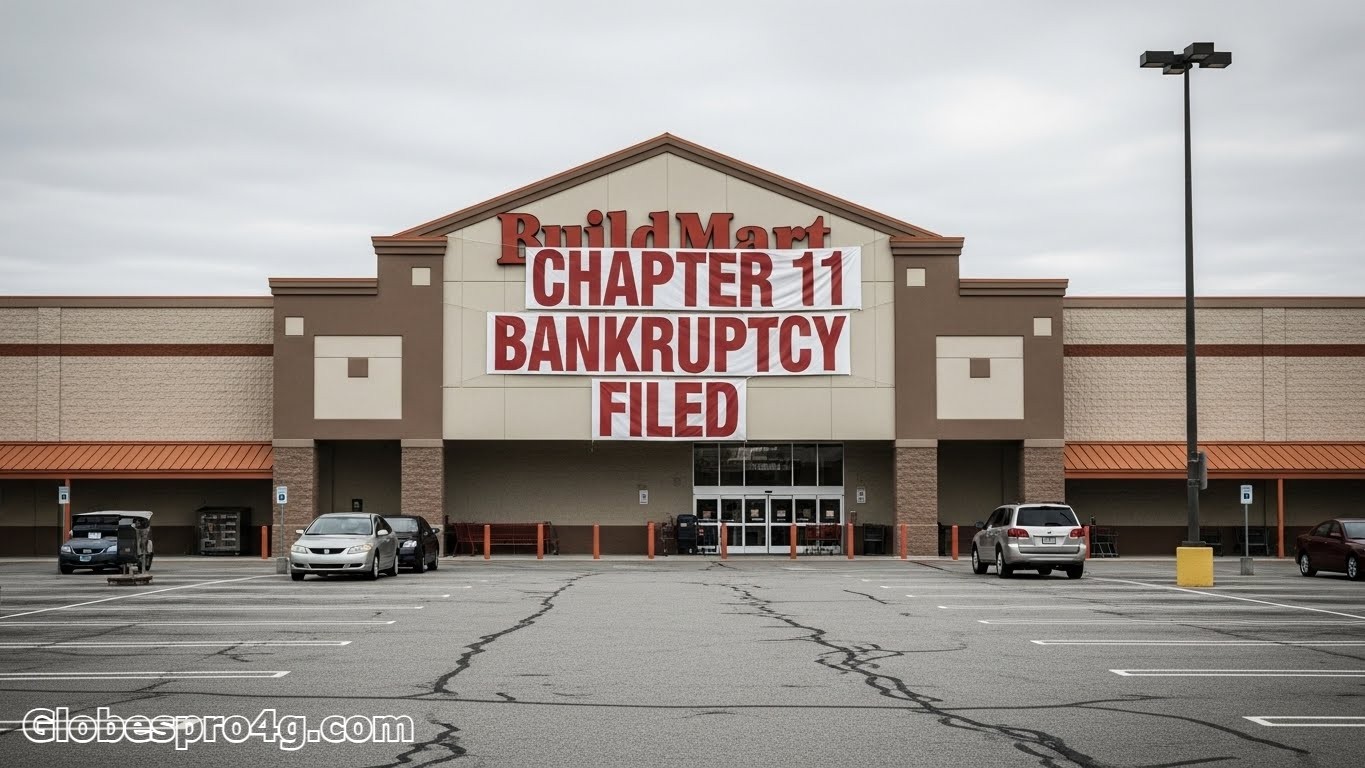
The retail landscape has been shaken by the recent news that a significant Home Depot Rival Files for Bankruptcy Chapter 11, sending ripples through the home improvement industry. This development marks a critical moment for consumers, employees, and competitors alike, highlighting the intense pressures facing even established brands. Understanding the factors that lead a major player to take such a drastic step reveals a great deal about the current state of the market, consumer behavior, and the strategies needed to survive. This article will break down the story, exploring the reasons behind the bankruptcy, what Chapter 11 means for the company, and the potential effects on Home Depot, the wider market, and you, the consumer.
What Led to This Home Depot Rival Filing for Bankruptcy Chapter 11?

A company’s decision to file for Chapter 11 bankruptcy is never the result of a single issue. In this case, the Home Depot rival faced a combination of intense market pressures that gradually eroded its financial stability. A primary factor was the fierce competition not just from giants like Home Depot and Lowe’s, but also from a growing number of online retailers and specialized hardware stores. This created a difficult environment where maintaining market share required constant, costly promotions and price matching, which squeezed profit margins to unsustainable levels. These competitive pressures were a significant driver behind the move to seek bankruptcy protection.
The Crushing Weight of E-Commerce Competition
The rise of e-commerce has fundamentally reshaped the retail world, and the home improvement sector is no exception. While this Home Depot rival did have an online presence, it struggled to keep pace with the sophisticated logistics, vast product selection, and competitive pricing of both industry giants and nimble online-only players.
Consumers have grown accustomed to the convenience of two-day shipping and endless aisles available on the internet. Failing to build a digital experience that was as compelling and efficient as the in-store one left the company vulnerable, as customers increasingly turned to more convenient online options for everything from power tools to plumbing supplies.
Shifting Consumer Habits and DIY Trends
Post-pandemic consumer behavior has also played a crucial role. During the height of lockdowns, the DIY home improvement market boomed as people invested heavily in their living spaces. However, as the economy shifted and inflation began to bite, consumer spending on large-scale home projects started to decline.
homeowners either completed their desired projects or began to delay new ones due to economic uncertainty. This particular Home Depot rival, whose business model may have been heavily dependent on these larger projects, felt the impact of this spending slowdown more acutely than its more diversified competitors.
Supply Chain Disruptions and Rising Operational Costs
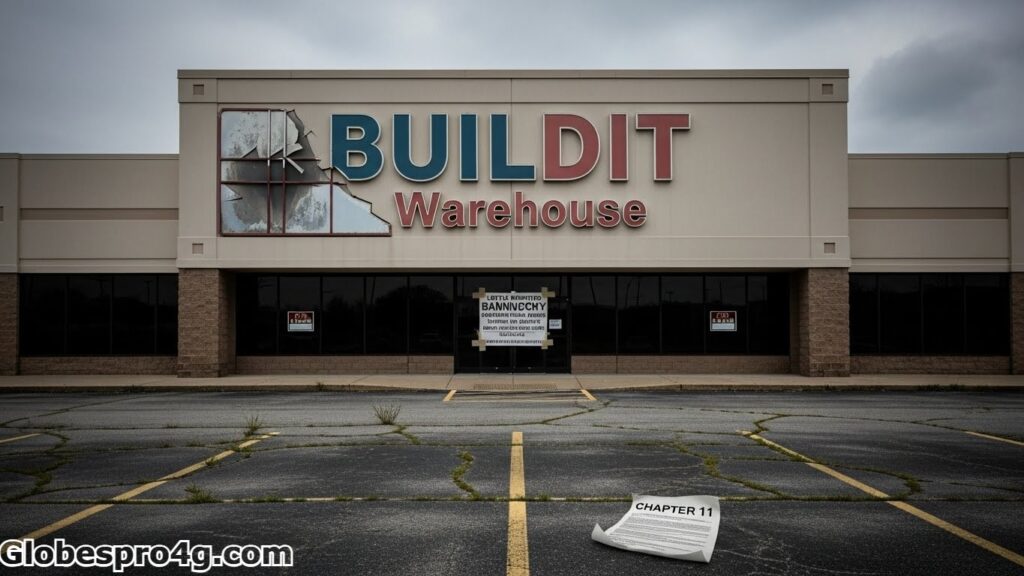
The global supply chain has been a source of volatility for years, and these disruptions had a severe impact on the company’s operations. The inability to consistently stock popular items led to frustrated customers and lost sales. At the same time, the cost of goods, transportation, and labor all increased dramatically.
These rising operational costs, combined with the pressure to keep prices low to compete, created a perfect storm of financial strain. The company was caught between spending more to acquire and ship products and earning less on each sale, a business model that is simply not sustainable in the long term.
Understanding Chapter 11 Bankruptcy Protection
It is important to understand what it means when a Home Depot Rival Files for Bankruptcy Chapter 11. Unlike other forms of bankruptcy that involve liquidating all assets and shutting down, Chapter 11 is a reorganization. It provides the company with legal protection from its creditors, giving it breathing room to restructure its debts, finances, and business operations.
The goal is to emerge from the process as a leaner, more financially viable company that can continue to operate and serve its customers. This process allows the business to keep its doors open while management works on a recovery plan.
What Happens to the Stores and Employees?
During a Chapter 11 reorganization, the company will typically continue to operate its most profitable stores. However, a common part of the restructuring process involves closing underperforming locations to cut costs. This unfortunately means that some employees may be laid off as part of the consolidation.
The company will evaluate its entire real estate portfolio to determine which stores are financially sustainable and which are a drain on resources. For employees at the remaining stores, business will continue, though they may experience changes in company policies and procedures as the restructuring plan is implemented.
The Impact on Customers and Gift Cards

For customers, the immediate impact of a Chapter 11 filing is often minimal. Stores that remain open will continue to serve shoppers, and in many cases, the company will seek court approval to continue honoring gift cards, loyalty programs, and return policies to maintain customer confidence. However, shoppers holding gift cards should consider using them sooner rather than later, as the terms can sometimes change as the bankruptcy process unfolds. The company has a strong incentive to keep its customers happy and returning, so it will likely do everything it can to make the shopping experience as normal as possible.
How Will This Affect Home Depot and Lowe’s?
The bankruptcy of a competitor presents both an opportunity and a warning for industry leaders like Home Depot and Lowe’s. In the short term, they stand to gain market share as displaced customers look for new places to shop for their home improvement needs. This could lead to a significant boost in sales and foot traffic for both giants. However, it also serves as a stark reminder of the challenges within the retail sector. It will likely prompt them to double down on their own strategies, focusing on strengthening their e-commerce platforms, optimizing their supply chains, and enhancing their customer loyalty programs to avoid a similar fate.
Could Other Retailers Be at Risk?
The financial troubles of this Home Depot rival are not happening in a vacuum. They are symptomatic of broader trends affecting the entire retail industry, particularly for brick-and-mortar stores. Other mid-sized or regional retailers who are struggling with the same pressures—intense online competition, high operational costs, and shifting consumer demands—could certainly be at risk. This event may trigger a period of consolidation within the industry, where stronger companies acquire weaker ones, or more retailers are forced to seek bankruptcy protection if they cannot adapt quickly enough.
Lessons Learned from This Bankruptcy Filing

There are several key takeaways from this situation. First, it underscores the critical importance of a robust and seamless omnichannel strategy that integrates both physical and digital retail experiences. A strong online presence is no longer optional. Second, it highlights the need for operational efficiency and a flexible supply chain that can withstand market shocks. Finally, it proves that even well-known brands are not immune to market forces and must constantly evolve to meet the changing needs and expectations of their customers. Complacency is one of the biggest risks in modern retail.
The Role of Private Equity and Debt
In many modern retail bankruptcy stories, the role of ownership and debt cannot be overlooked. Often, companies that have been acquired by private equity firms are saddled with significant debt from the buyout itself. This debt requires the company to dedicate a large portion of its revenue to interest payments, leaving less cash available for reinvesting in the business, such as modernizing stores, improving technology, or increasing wages. While the specifics vary by company, a heavy debt load can severely limit a retailer’s ability to adapt and compete, making it much more vulnerable to a downturn.
A Look Ahead: Can the Company Recover?

The road ahead for this Home Depot rival will be challenging. The success of its Chapter 11 reorganization will depend on its ability to create and execute a convincing recovery plan. This plan will need to address the core issues that led to the bankruptcy, likely involving store closures, renegotiating leases and debts, and making significant investments in its e-commerce capabilities. If management can successfully streamline operations and present a compelling vision for the future, the company could emerge from this process stronger and better positioned to compete in the modern retail environment.
What This Means for the Broader Economy
While the bankruptcy of a single company may seem isolated, it can be an indicator of broader economic trends. It signals a potential slowdown in consumer spending, particularly on discretionary goods and large-scale home projects. This could be a warning sign for the housing market and related industries. It reflects the ongoing creative destruction in the retail sector, where legacy business models are being replaced by more digitally-native ones. Economists and market analysts will be watching this situation closely for clues about consumer confidence and the overall health of the economy.
Final Thoughts: A Turning Point for Home Improvement Retail
The news that a major Home Depot rival files for bankruptcy Chapter 11 is a landmark event for the home improvement industry. It is a powerful illustration of the relentless pressures of modern retail, from the dominance of e-commerce to the challenges of inflation and shifting consumer priorities. While this development creates uncertainty for employees and stakeholders of the affected company, it also opens up opportunities for competitors and serves as a crucial lesson for the entire market. The ability to adapt, innovate, and build a truly integrated customer experience is no longer just a strategy for growth—it is the essential formula for survival.