
Introduction
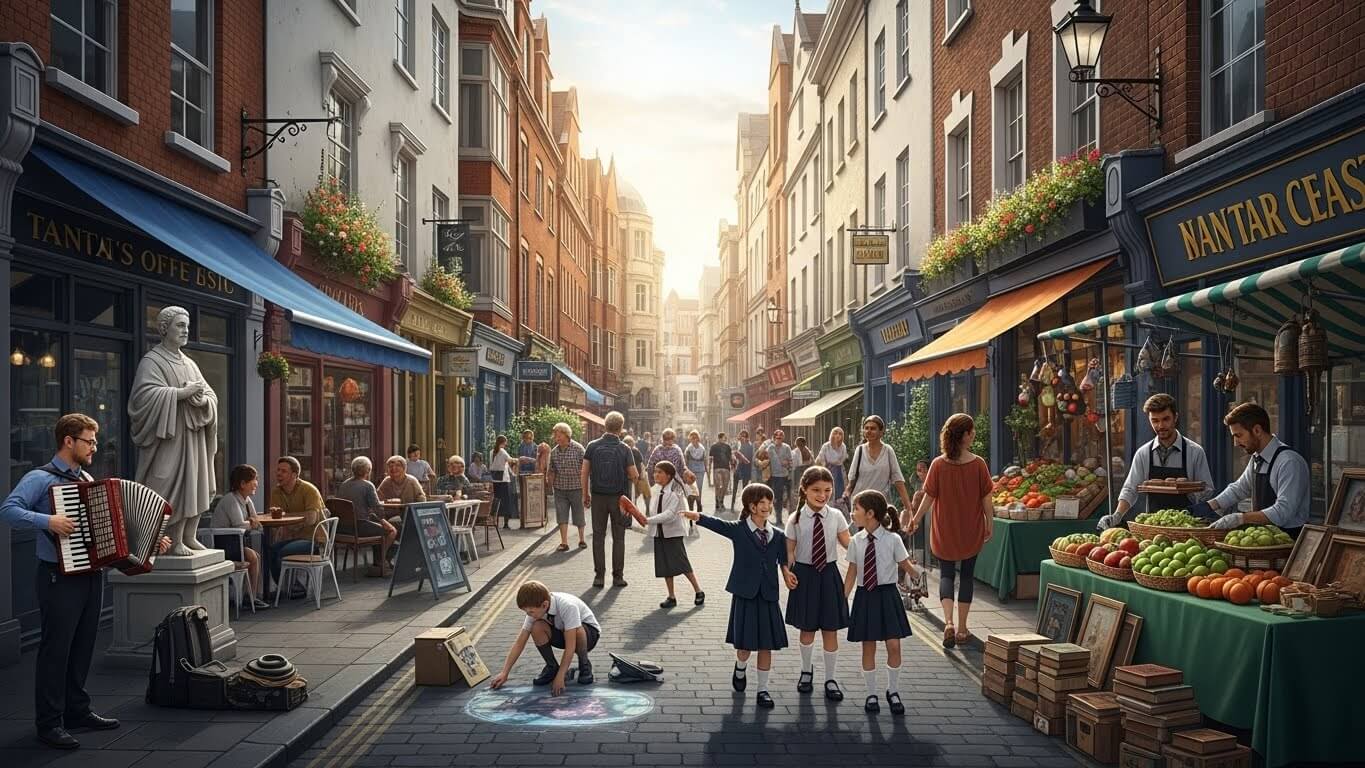
Saint Peters Street is more than just a road on a map. It is a place where history, daily life, and human stories come together. Streets with the name Saint Peters Street exist in different parts of the world, often carrying deep cultural meaning and local identity. This article explores Saint Peters Street as a concept and experience, showing why such streets matter to communities, visitors, and cities. Written in simple words, this essay focuses on the human side of Saint Peters Street and why it continues to attract attention.
The Meaning Behind the Name Saint Peters Street
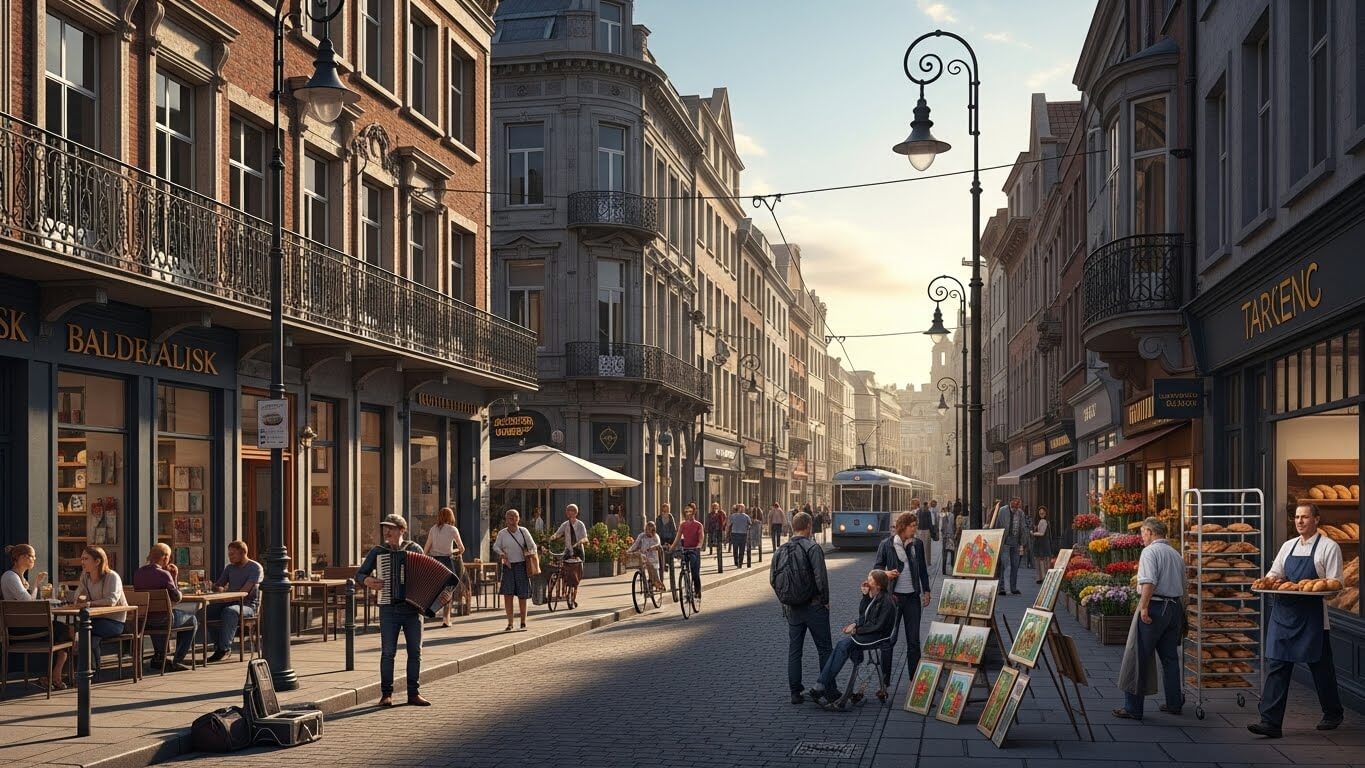
The name Saint Peters Street often has religious, historical, or cultural roots. Many streets are named after Saint Peter, a figure associated with leadership, faith, and tradition. Over time, the name becomes more than its origin. Saint Peters Street grows into a symbol of the area’s identity, reflecting the values and stories of the people who live and work there. The name carries respect, memory, and a sense of belonging.
Saint Peters Street as a Historical Path
Saint Peters Street often follows an old route that has been used for generations. In many towns and cities, such streets were once main paths for trade, walking, and social gatherings. Buildings along Saint Peters Street may show different architectural styles, revealing how the area changed over time. Walking down Saint Peters Street can feel like stepping through history, where each structure holds a silent story of the past.
Architecture and Visual Character of Saint Peters Street
One of the most striking features of Saint Peters Street is its visual character. Old stone buildings may stand next to modern shops, creating a mix of past and present. Windows, doors, and street details often reflect local craftsmanship. This blend gives Saint Peters Street a unique charm that cannot be copied. The street feels alive because it carries the marks of many generations.
Daily Life Along Saint Peters Street
Saint Peters Street is not only for visitors; it is a working, living place. People walk to work, meet friends, shop for daily needs, and enjoy simple moments. Cafés, small stores, and offices bring movement and sound to the street. This daily rhythm gives Saint Peters Street its true energy. It is shaped by ordinary moments that together create a strong sense of community.
Local Businesses and Economic Importance
Local businesses are the heart of Saint Peters Street. Small shops, family-run restaurants, and service providers depend on the street’s foot traffic and reputation. These businesses often know their customers by name, creating trust and connection. Saint Peters Street supports local economies by keeping money within the community and offering jobs. Its success reflects the strength of small businesses working together.
Saint Peters Street as a Social Space
Beyond commerce, Saint Peters Street acts as a social space. People meet, talk, and share experiences there. Benches, open shop fronts, and street corners become places for conversation. Festivals, markets, or small events may take place along Saint Peters Street, bringing people together. This social role makes the street more than a physical space; it becomes a shared experience.
Cultural Influence of Saint Peters Street

Culture often grows naturally along Saint Peters Street. Art displays, music, and local traditions find a home there. The street reflects the diversity of the people who use it. Different languages, foods, and styles can often be seen and heard. Saint Peters Street becomes a mirror of the community’s culture, showing both its roots and its openness to change.
Saint Peters Street and Religious Connections
In some places, Saint Peters Street may be close to churches or religious landmarks. These connections influence the atmosphere of the street. Religious events, quiet moments, and respectful behavior shape how people interact there. Even for those who are not religious, the presence of tradition adds depth and meaning to the street’s identity.
Tourism and Visitor Experience on Saint Peters Street
Visitors are often drawn to Saint Peters Street because it feels real and welcoming. Unlike busy tourist zones, the street offers an authentic experience. Visitors can observe local life, enjoy traditional food, and explore unique shops. Saint Peters Street allows tourists to slow down and connect with the place on a human level, which makes their experience memorable.
The Role of Saint Peters Street in Urban Identity
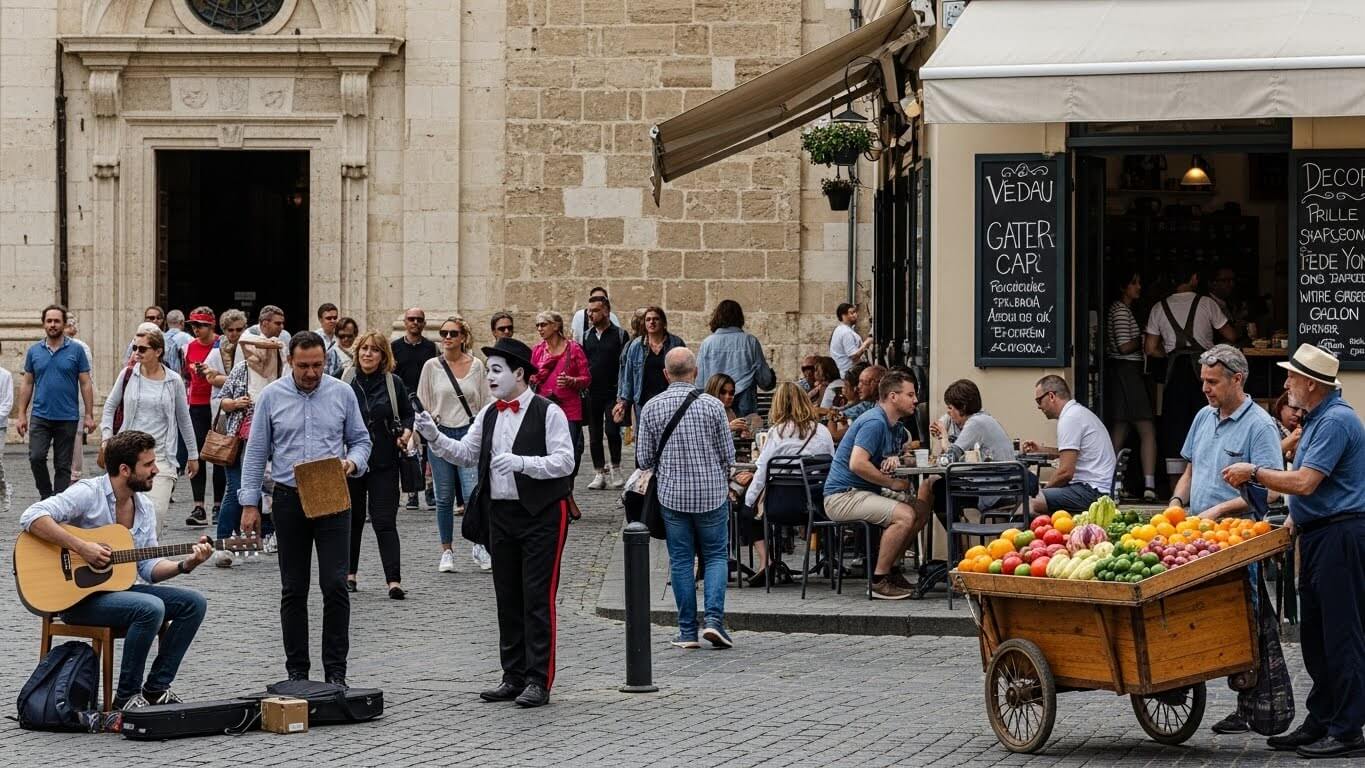
Every city or town needs spaces that define its character. Saint Peters Street often plays this role. It may be featured in local stories, photographs, and memories. Residents feel proud of the street because it represents their home. The identity of Saint Peters Street is closely tied to the identity of the people who live nearby.
Change and Modern Development
Like all living spaces, Saint Peters Street changes over time. New businesses open, old buildings are restored, and technology influences daily life. While change can bring challenges, it also brings opportunity. The key is balance. When development respects the street’s history, Saint Peters Street can grow without losing its soul.
Challenges Facing Saint Peters Street
Saint Peters Street may face challenges such as rising costs, traffic, or loss of local businesses. These issues can affect the street’s character. Communities often work together to protect what makes Saint Peters Street special. Local involvement, thoughtful planning, and respect for heritage help address these challenges and keep the street vibrant.
Community Efforts and Preservation
Many people care deeply about Saint Peters Street. Community groups, residents, and business owners often take action to preserve its charm. Clean-up days, cultural events, and restoration projects show how much the street matters. These efforts strengthen community bonds and ensure that Saint Peters Street remains welcoming for future generations.
Saint Peters Street Through the Seasons
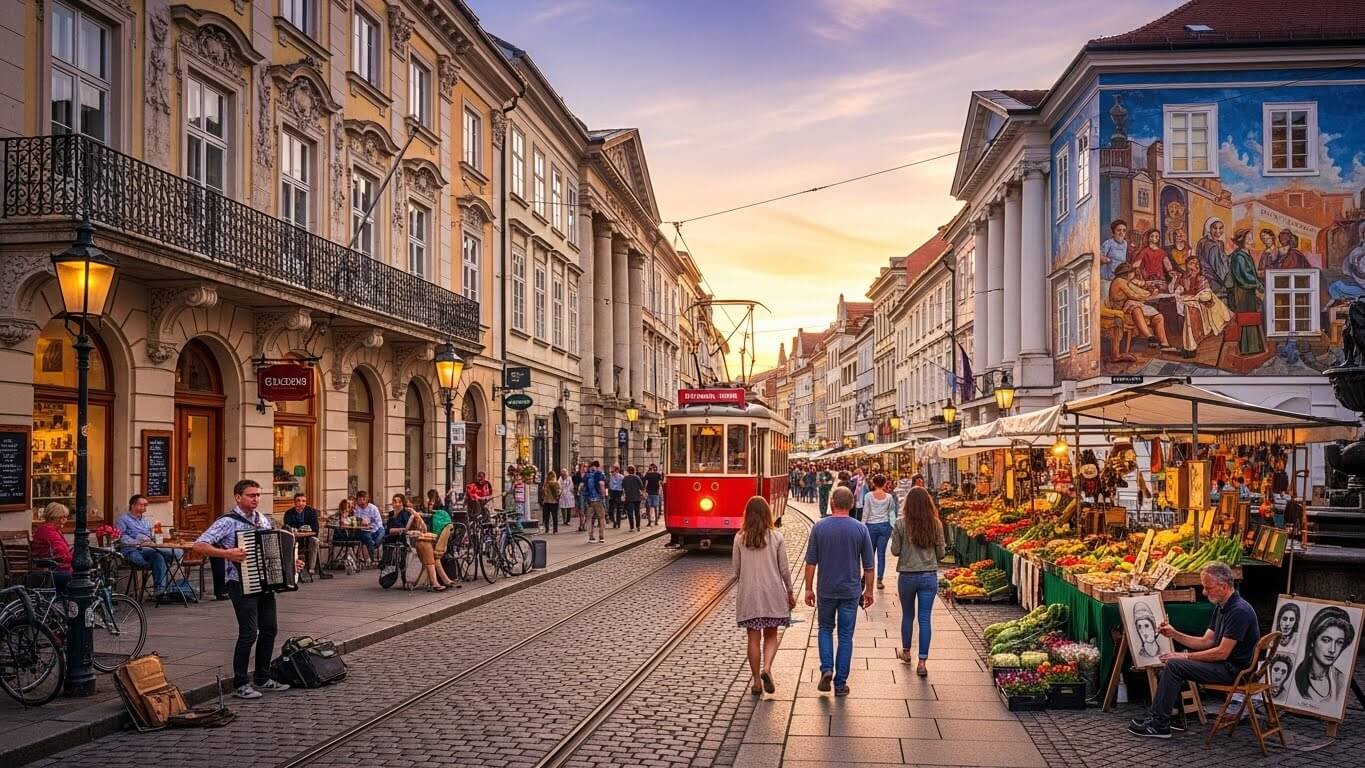
Saint Peters Street changes with the seasons. In warmer months, outdoor seating and open windows bring life to the street. In colder times, lights and decorations create warmth and comfort. Each season adds a different feeling, showing how the street adapts and continues to serve its community all year round.
Personal Stories Connected to Saint Peters Street
Every person who spends time on Saint Peters Street has a story. It may be a first job, a favorite café, or a daily walk. These personal memories give the street emotional value. Saint Peters Street becomes part of people’s lives, not just a location, but a place tied to feelings and experiences.
Why Saint Peter’s Street Continues to Matter
Saint Peter’s Street matters because it brings people together. It shows how a simple street can hold history, culture, and everyday life in one space. In a fast-changing world, such streets remind us of the importance of connection, place, and community. Saint Peter’s Street stands as a quiet but powerful symbol of shared human experience.
The Future of Saint Peter’s Street
The future of Saint Peter’s Street depends on care and respect. With thoughtful planning and community support, it can continue to grow while keeping its identity. New generations will add their own stories, ensuring that Saint Peter’s Street remains relevant and alive. Its future is shaped by the people who walk it every day.
Conclusion
Saint Peter’s Street is not just a name; it is a living story. Through history, daily life, and human connection, it continues to play an important role in the community. Its charm lies in simplicity, authenticity, and shared experience. As long as people value these qualities, Saint Peter’s Street will remain a meaningful and lasting part of the urban landscape.
 Finixio Digital