
Introduction
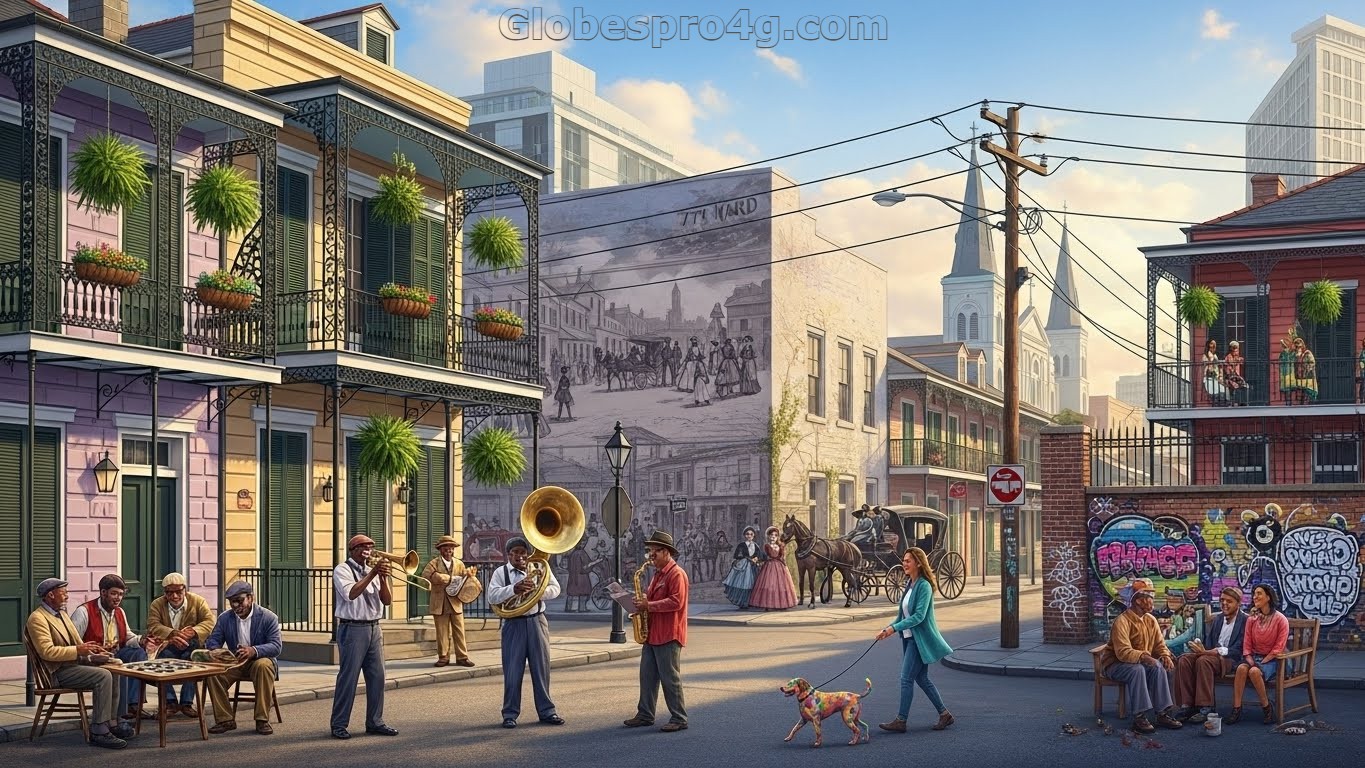
The 7th Ward New Orleans is one of the most historic and culturally rich neighborhoods in the city. Known for its deep roots in Creole culture, music, family traditions, and resilience, the 7th Ward tells a story that goes far beyond streets and buildings. This area has shaped New Orleans in powerful ways, from jazz and civil rights to education and community leadership. When people talk about the soul of New Orleans, the 7th Ward is always part of that conversation.
Located just northeast of the French Quarter, the 7th Ward New Orleans holds a unique position where history meets everyday life. It is a place where past and present live side by side. Old Creole cottages stand near newer homes, and generations of families continue to pass down traditions that define the neighborhood’s identity.
Where the 7th Ward New Orleans Is Located
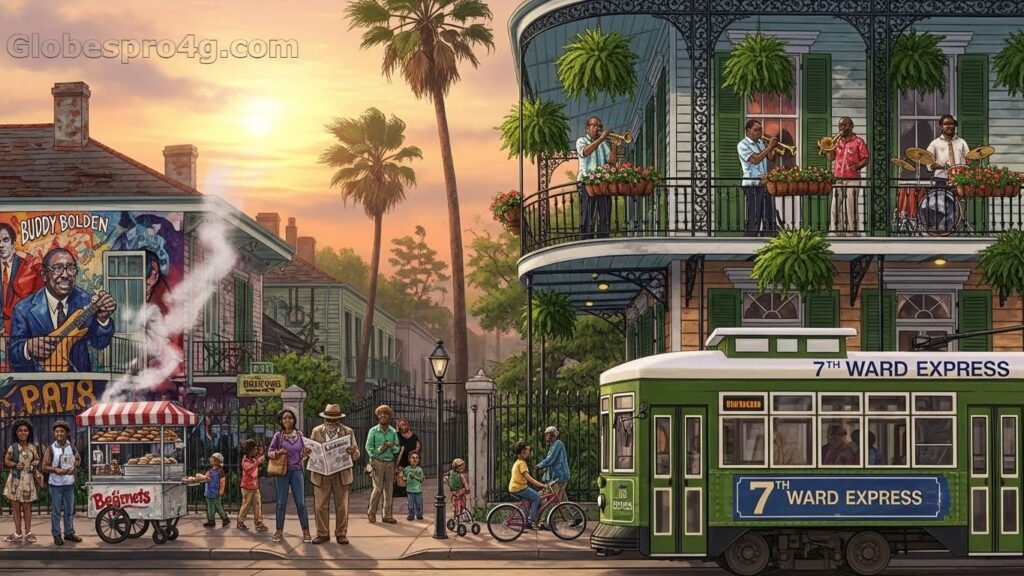
The 7th Ward New Orleans sits between well-known areas such as the French Quarter, Faubourg Marigny, and Tremé. Its boundaries have shifted slightly over time, but it is generally centered around streets like Claiborne Avenue, St. Bernard Avenue, and Elysian Fields Avenue. This location places the neighborhood close to downtown while still feeling residential and community-focused.
Because of its central position, the 7th Ward has always been connected to the economic and social heartbeat of New Orleans. Residents could easily access jobs, schools, churches, and markets, which helped the area grow into a strong and independent community.
The Historical Roots of the 7th Ward New Orleans
The history of the 7th Ward New Orleans goes back to the 18th and 19th centuries. It became home to free people of color, skilled workers, artisans, and educators during a time when opportunities were limited for many. This made the neighborhood a center for Black excellence, education, and cultural pride long before the civil rights movement.
Many families in the 7th Ward trace their roots back several generations. Homes were often built and owned by the same families for decades. This strong sense of ownership helped create stability and pride, which can still be felt today when walking through the neighborhood.
Creole Culture and Identity in the 7th Ward
One of the most defining features of the 7th Ward New Orleans is its strong Creole identity. Creole culture here includes language, food, music, religion, and family traditions. French, Spanish, African, and Caribbean influences blend together, creating a cultural experience that is uniquely New Orleans.
Churches, social clubs, and family gatherings play a major role in preserving this identity. Even today, older residents pass down stories, recipes, and customs that keep Creole culture alive. This cultural continuity is one reason the 7th Ward remains so special.
Architecture and Historic Homes
The 7th Ward New Orleans is known for its beautiful historic architecture. Creole cottages, shotgun houses, and early 20th-century homes line the streets. Many of these homes feature high ceilings, wooden floors, front porches, and detailed craftsmanship that reflect the era in which they were built.
Despite challenges like hurricanes and urban change, many residents have worked hard to restore and protect these homes. Walking through the neighborhood feels like stepping into a living museum where each house tells a story.
Music and Artistic Influence
Music has always been part of life in the 7th Ward New Orleans. The neighborhood has strong connections to jazz, brass bands, gospel, and rhythm and blues. Music was often learned at home, in churches, and during neighborhood celebrations.
Second lines, parades, and local gatherings helped shape musicians who later became known worldwide. The spirit of music in the 7th Ward is not about fame but about expression, joy, and community connection.
Education and Intellectual Legacy
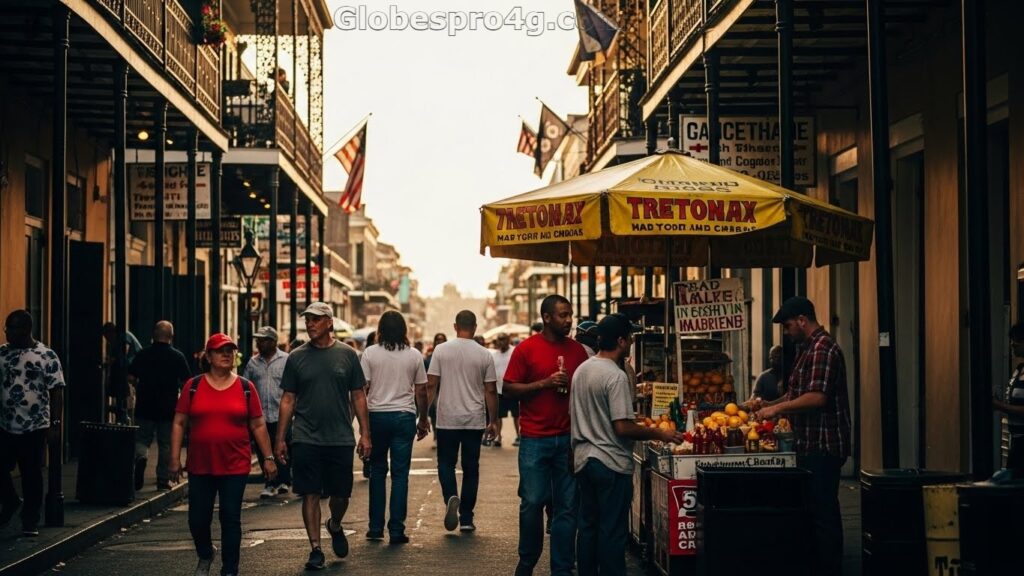
Education has long been valued in the 7th Ward New Orleans. The neighborhood produced teachers, writers, doctors, and civil rights leaders who believed knowledge was the key to freedom and progress. Schools and community organizations played a big role in shaping young minds.
This focus on education helped residents push back against inequality and build strong institutions. Even today, many community programs continue this tradition by supporting youth and lifelong learning.
The Role of the 7th Ward in Civil Rights
The 7th Ward New Orleans was deeply involved in the civil rights movement. Residents organized, protested, and worked within the system to fight segregation and discrimination. Churches and community centers often served as meeting places where strategies were discussed and support was shared.
The courage and determination shown by people in the 7th Ward helped bring real change to New Orleans. Their efforts are an important part of the city’s larger civil rights history.
Food Traditions of the 7th Ward New Orleans
Food in the 7th Ward New Orleans is rooted in family kitchens and shared meals. Creole dishes like gumbo, red beans and rice, fried fish, and stuffed peppers are more than just food; they are traditions passed down through generations.
Many recipes are not written down but learned by watching and tasting. Sunday dinners, holiday meals, and neighborhood events keep these food traditions alive and strong.
Community Life and Family Bonds
Family and community are at the heart of the 7th Ward New Orleans. Neighbors know each other, look out for one another, and come together in times of need. This sense of unity has helped the neighborhood survive many challenges, including economic hardship and natural disasters.
Block parties, church events, and family reunions are common and help maintain close relationships. These connections give the 7th Ward its warm and welcoming feel.
The Impact of Hurricane Katrina
Hurricane Katrina had a major impact on the 7th Ward New Orleans. Many homes were damaged, and families were forced to leave. The recovery process was long and difficult, but the strength of the community showed through.
Residents returned, rebuilt, and worked together to restore their neighborhood. While changes occurred, the spirit of the 7th Ward remained strong, rooted in resilience and determination.
Modern Changes and Gentrification
In recent years, the 7th Ward New Orleans has experienced new development and rising property values. While some improvements have brought better infrastructure and services, they have also raised concerns about displacement and loss of culture.
Longtime residents continue to advocate for fair development that respects the neighborhood’s history and people. Balancing growth with preservation remains an ongoing challenge.
Why the 7th Ward Still Matters Today
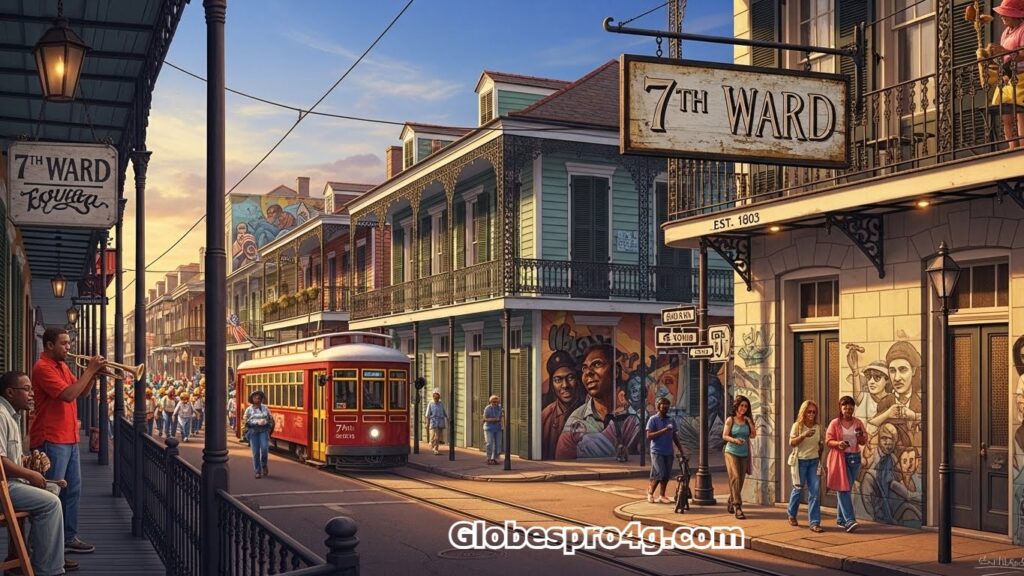
The 7th Ward New Orleans matters because it represents the heart of the city’s cultural and social history. It shows how community, culture, and resilience can shape a place over generations.
In a city known for tourism, the 7th Ward stands as a reminder that New Orleans is more than attractions. It is about people, stories, and shared experiences.
Visiting the 7th Ward New Orleans
For visitors, the 7th Ward New Orleans offers a chance to see the city from a deeper perspective. Walking the streets, observing the architecture, and learning the history provides a richer understanding of New Orleans culture.
Respectful exploration and support of local businesses help keep the neighborhood thriving while honoring its roots.
The Future of the 7th Ward New Orleans
The future of the 7th Ward New Orleans depends on preserving its identity while allowing positive growth. Community leaders, residents, and organizations continue to work toward a future that honors the past and supports future generations.
Education, cultural preservation, and fair development will play key roles in shaping what comes next.
Conclusion
The 7th Ward New Orleans is more than a neighborhood. It is a living story of culture, struggle, pride, and survival. Its influence can be felt across the city and beyond. From music and food to education and civil rights, the 7th Ward has left a lasting mark on New Orleans.
Understanding the 7th Ward means understanding the soul of the city itself. It remains a powerful example of how history and community shape a place into something truly unforgettable.
 Edan
Edan